Conall Arora
CEO of RDI. Acquired the company in 2017 and has led it since — the team, the systems, and the physician network that let customers of every size benefit from a specialist CRO.
The person who runs the company.
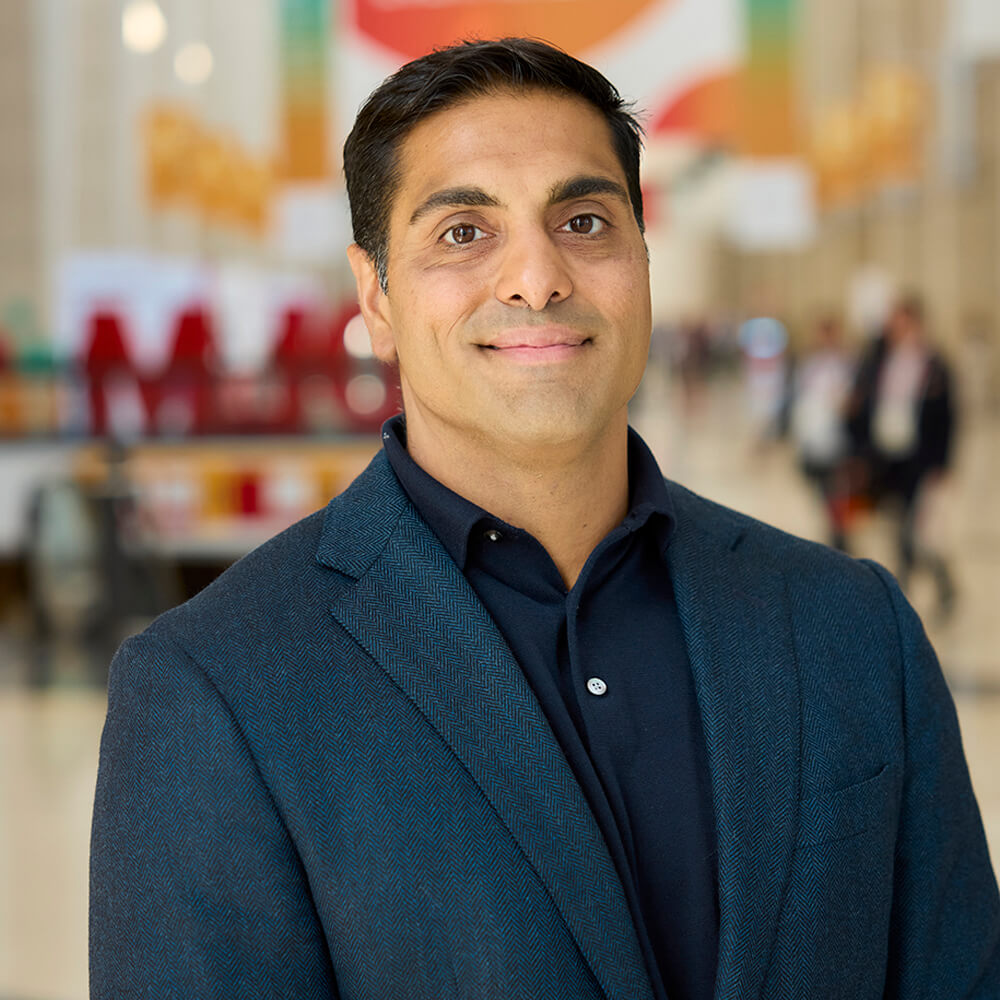
Acquired RDI in 2017 and has led the company since — building the team, the systems, and the physician network that let customers of every size benefit from RDI's specialist focus. Holds degrees in pre-med and economics from Columbia. Before RDI, invested in and operated businesses across software startups and public companies up to $2.5B in revenue.
What he publishes.
An assay validation scientist runs our trials.
Structure the CRO so the person who lives in specificity and traceability owns trial execution — not a handoff to generalists.
Right-size the validation study.
The conservative protocol that protects the filing can suffocate enrollment — scoping pre-pivotal work for evidence without theatrical burden.
Qualified site is not the same as a high-enrolling site.
Most CROs select on regulatory qualification; the signal that predicts enrollment is performance in the field, not paperwork.
Map the values, then chase them.
Value-bucket IVD recruitment: map the analytical-range distribution to populations, recruit by segment, and recalibrate weekly with the physicians who see the patients.
Patient centricity is a buzzword, not a blueprint.
Patient experience is rarely the bottleneck in IVD trials; standard-of-care-aligned design beats patient-theater checklists.
The over-engineered protocol problem.
Pre-pivotal validation protocols often recruit themselves into failure — complexity buys paperwork, not subjects.
Talk to the person who would run your study.
Replies come from the team that scopes and executes the work.